
A clear picture for planning
Roof Inspections in East Point
Find out what your roof needs now, what can wait and what to budget for down the road.
An Inspection Built for Planning
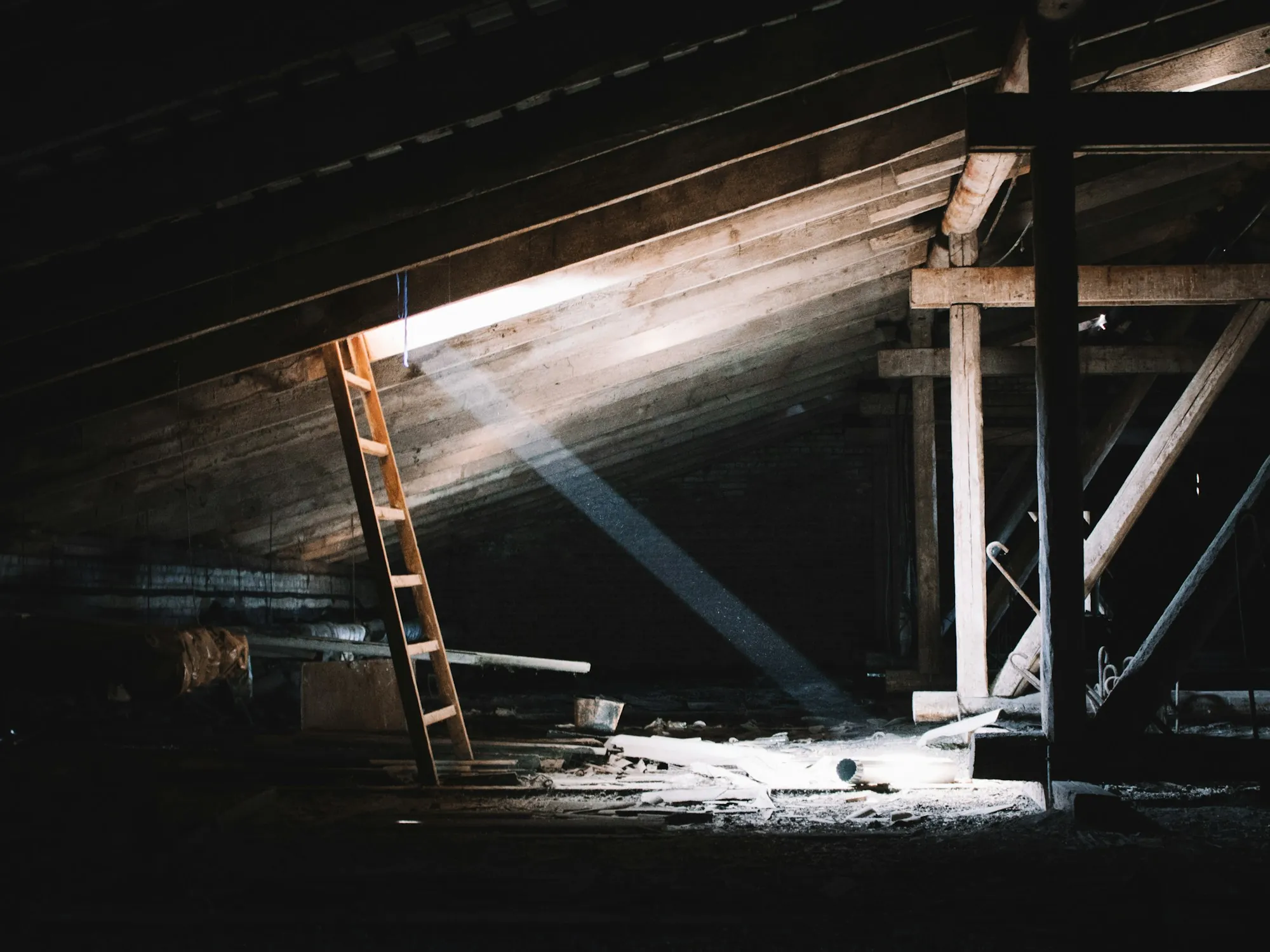
Most homeowners do not need a roofer to tell them a roof is old. What they need is a clear sense of what condition it is in, what deserves attention now, what can safely wait and roughly when a larger project should go on the calendar. That is how we approach an inspection. We start from the ground, checking the roof lines for sagging and the gutters for granule buildup, which tends to increase as shingles age. Then we work across every slope, studying the shingle surface for hail marks, cracking, curl, raised tabs, nail heads poking through and debris that traps moisture. Flashing at walls and valleys receives particular attention because so many leaks begin there, and pipe boots are checked for the cracking that comes with sun exposure. Vents are reviewed for damage and for balance between intake and exhaust. Where the attic is accessible, we look for stains, damp insulation, daylight and soft decking from the inside. Every finding is photographed. The written summary that follows sorts items into three groups, those in good condition, those wearing and worth monitoring and those needing work, so you can plan repairs or a replacement on your own timeline. Homeowners in East Point often ask for an inspection before buying or selling, after a storm or simply when a roof reaches a certain age.
The Inspection Checklist
Each visit works through these items in order.
Ground-level review
Roof lines and gutters checked for sag and granule loss.
Shingle condition
Hail marks, cracks, curl and raised tabs, face by face.
Flashing and pipe boots
Wall, valley and penetration seals checked for gaps and cracks.
Ventilation balance
Intake and exhaust reviewed so the attic can breathe.
Gutter condition
Hangers, pitch and outlets checked for problems.
Attic inspection
Stains, damp insulation and soft decking spotted from inside.
Photo documentation
Every finding pictured and labeled by location.
Prioritized summary
Good, monitor and fix-now items listed for planning.
How an Inspection Is Scheduled and Delivered
Choose a time
Phone us with the reason for the inspection, and we will set a daylight visit that suits your week.
Inspect and record
We follow the checklist from the gutters upward, then inside the attic, with a photo for each finding.
Receive the summary
You see the photos before we leave, and a written, prioritized summary follows with an estimate if work is recommended.
Why Our Inspections Make Planning Easier
Prioritized findings
You know what matters now and what can wait.
Nothing exaggerated
A sound roof is reported as sound.
Records you keep
Photos and a written summary for your home file.
- Methodical checklist
- Attic included
- Labeled photos
- Prioritized summary
Want a Clear Picture of Your Roof?
An inspection gives you the facts and a timeline to plan around, whatever condition the roof is in.